„Wenn die Kinder nicht zu uns dürfen, dann müssen wir zu ihnen kommen“
Für junge Menschen auf Lesbos eine neue Perspektive schaffen und kreative Schutzräume ermöglichen – das ist das Ziel von CIRCUS LESVOS.
Jetzt informieren und spenden!
Spendenkonto: GrenzKultur gGmbH, DE15100205000001208410 BIC: BFSWDE33BER, Bank für Sozialwirtschaft Verwendungszweck: CIRCUS LESVOS
Wenn ihr heute für etwas spenden wollt, dann hier: Vor Monaten ging das Elend der Kinder auf Lesbos um die Welt. Heute ist Cabuwazi vor Ort und schafft ihnen Momente des Glücks, Möglichkeiten der Entfaltung. Ein so wichtiges, gutes Projekt. https://t.co/ZbLfl3gLrc
1.Seit wann bist bzw. von wann bis wann warst Du hier und in welchem Bereich?
Ich bin schon immer hier. Zumindest fühlt es sich so an :). Geboren bin ich eigentlich in der Lausitzer 40, da wir dorthin umgezogen sind, als das Haus verhandelt hat.
Nun bin ich seit November 2020 wieder hier und habe mein 2. Kind hier bekommen.
2. Welches ist Dein Lieblingsort auf der Fabrik?
Die Gemeinschaftsräume im Hinterhaus und das Kino, wo wir jede Woche mit der Kita Regenbogen waren und uns auf den Sofas gelümmelt haben.
Auch der Toberaum in der Kita war klasse, dort haben wir Übernachtungsparties gemacht.
3. Mit einem Wort: Was ist die Fabrik für Dich?
Ein Ort der Kindheit, der Freiheit, des Ausprobierens.
4. Lieblingsessen in der Kantine?
Gab’s früher nicht… Jetzt esse ich in der Essensgruppe.
5. Was wünschst Du der Fabrik zum Geburtstag?
Weiter so und dass die Regenbogen viele andere Menschen inspiriert, viele andere solidarische Orte zu schaffen.
Ok, in der Übersicht der verschiedensten Jahrestage sind wir auch auf den Tag der gewaltfreien Kommunikation gestoßen. Der 6.10. ist Geburtstag von Marshall B. Rosenberg. Rosenberg war Gründer des gemeinnützigen Center for Nonviolent Communication und international tätiger Mediator. Er hat das Konzept der Gewaltfreien Kommunikation (GFK), englisch Nonviolent Communication (NVC), entwickelt.
Die GFK steht in der Tradition der klientenzentrierten Psychotherapie, die Rosenbergs Lehrer Carl Rogers entwickelte. Das aktive Zuhören steht bei Rogers im Mittelpunkt, die GFK geht jedoch über den gesprächstherapeutischen Rahmen hinaus. Beeinflusst ist die GFK auch von Mahatma Gandhi und seinen Überlegungen zur Gewaltfreiheit, Ahimsa genannt, die auf den Upanishaden, einer Sammlung philosophischer Schriften des Hinduismus, basieren. Viele Elemente der GFK finden sich auch in anderen Konfliktlösungstechniken, wie im Gütekraft-Konzept von Martin Arnold, der Mediation und den Win-Win-Strategien.
2011 haben wir einen Workshop zu Kommunikation organisiert. Drei Menschen aus dem Mediationsbüro Mitte haben uns in dieser Kommunikationsform geschult. Wir halten es für ein gutes Konzept für ein Kollektiv, dass solidarisch die Konflikte lösen, den sozialen Zusammenhalt stärken und versteckte Hierarchien loswerden will.
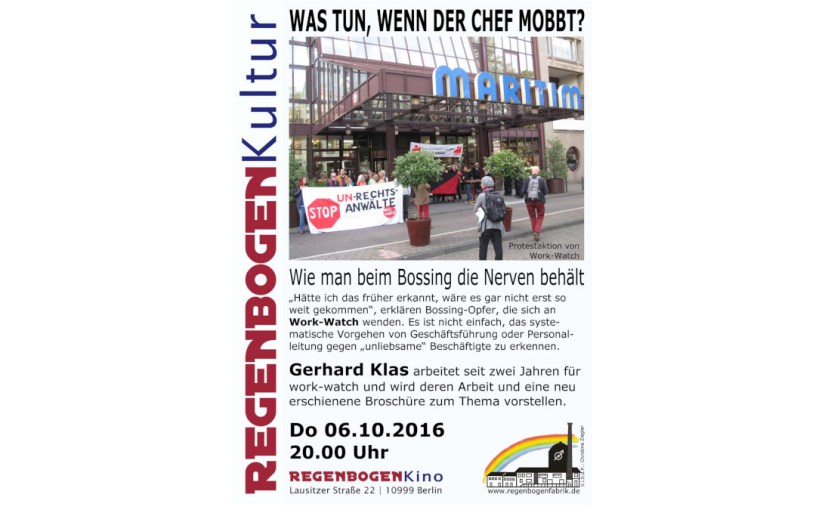
Und dann gibt es eben Konflikte, da ist Hopfen und Malz verloren. Und da ist ein Machtgefälle, darin ist die Veröffentlichung der eigenen Befindlichkeit keine Option. Für Beistand sorgen können dann Organisationen wie work watch.
work watch ist ein eingetragener Verein, der 2012 gegründet wurde. Die Aktivist:innen beraten und unterstützen Betriebsratsgremien und engagierte Mitarbeiter:innen, die von ihren Vorgesetzten systematisch mit bewusst gestreuten Gerüchten, fragwürdigen Abmahnungen, haltlosen Kündigungen, Androhung von Regressforderungen, Erpressung und manchmal auch mit dem Einsatz von Detektiven drangsaliert werden. Spenden sind immer willkommen!
After 20 years of suburban family life in Australia, Graham took a job at the Oeko Institut in Berlin. I was delighted and excited and ready for an adventure. My work being internet based, my colleagues, primarily European and UK. Perfect!
Mixed with the excitement of such a momentous change was a deep sadness to be leaving our daughters, 20 and 23 and my 88-year-old mother. Family, friends, and community are such an important part of one’s life, how would I survive without them?
To arrive to the Regenbogenfabrik community was a true blessing, more than we could have hoped for. Living in the house and the wider community provided opportunity for abundant connections. If ever I was tired of sitting alone at my desk, I could simply go downstairs to put on a load of washing and most probably find a conversation. When leaving the house, I discovered it was wise to have an extra 5 minutes to connect with whoever I might encounter in the courtyards on the way from house to street.
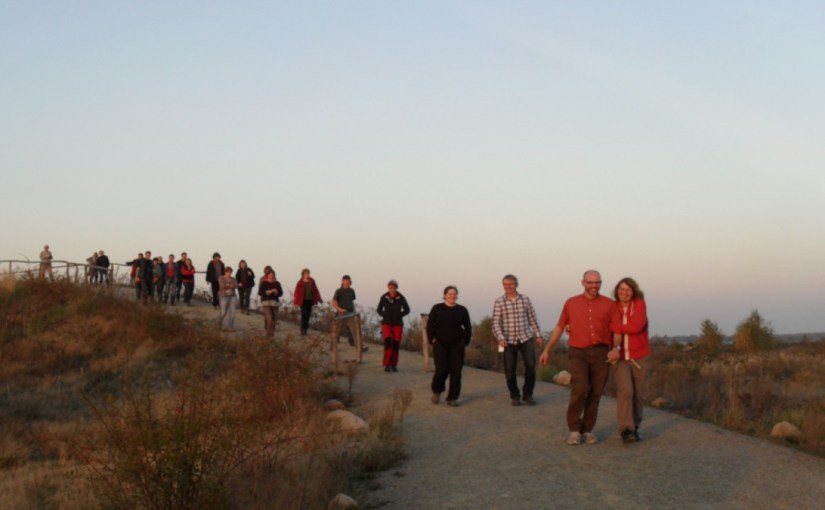
The sub-groups of Etage, Essensgruppe, house plenum, Wandergruppe, or volunteering for various fete days in the Fabrik courtyard provided this slightly misplaced foreigner with a sense of belonging.
Six and a half years passed happily and contentedly. Then came time to return to our Australian lives.
To transition from one significant time in our lives to the next it seemed appropriate to take our time and travel by train. To fly from Berlin to Canberra would be about one and a half days ‘door to door’. Our overland travel took 6 weeks and we finished it with a six-hour flight to our island home.
Although we planned two-night stopovers in various places along the way, we were soon to discover we were travellers and not tourists. Our 25 nights of sleeping in hotels or similar, were time to savour stillness, wash, rest and replenish in preparation for the next part of our journey. We did visit Red Square, Tiananmen Square, the Mekong River and Ankur Wat and of course many varied and intriguing local districts.
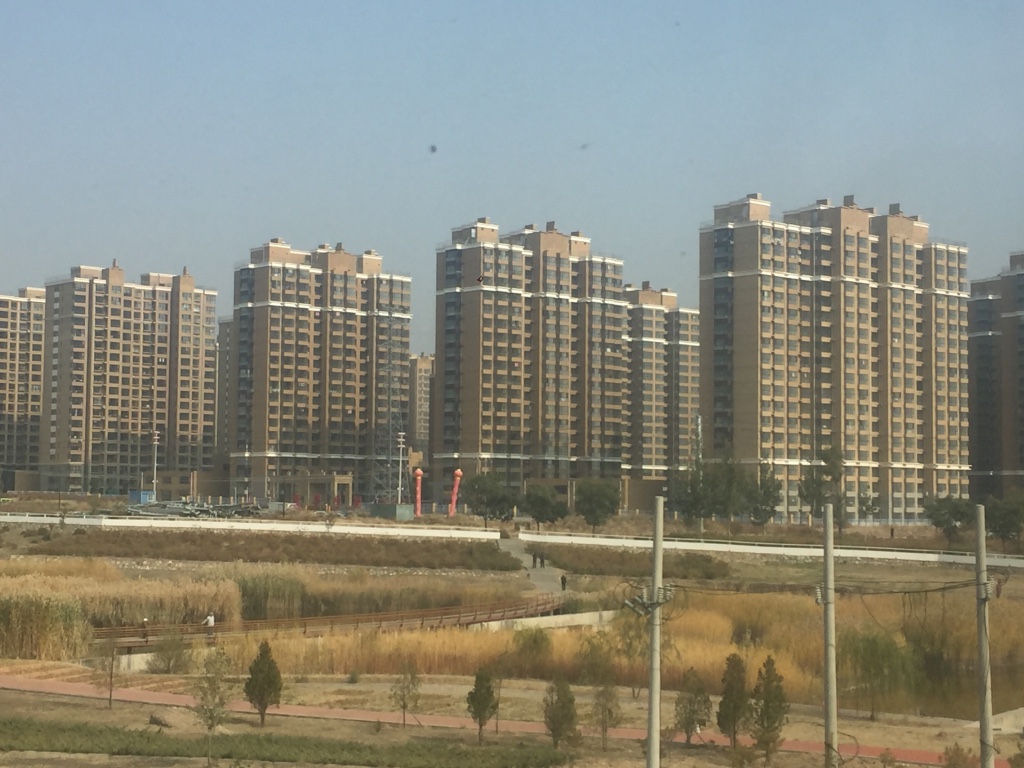
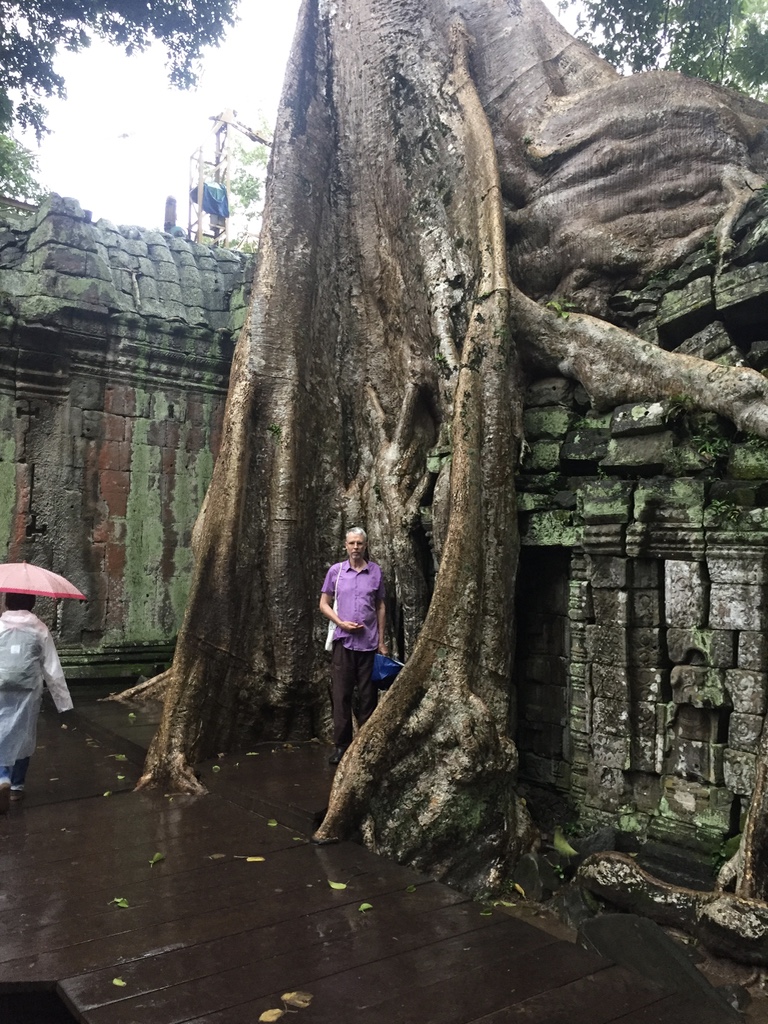
Mostly, the joy was in the detail. Watching crazy monkeys from our hotel window in Hanoi, the cycle path right through the centre of a shopping mall, complete with a climbing wall in Singapore, the ice on the fringe of Lake Baikal, the dizzying height of our Airbnb in Kuala Lumpur, the domination of the high-rise dormitory suburbs of China in contrast to the yurt suburbs of Mongolia, the enormous variety of ginger plants in the Singapore Botanic Gardens and the tree roots entwining the ruins of Ankur Wat.
Our highlights were the people we shared our 4 berth sleeper compartments with. We met just one other person travelling long distance by trains (eastern Russia to Singapore) as their chosen means of transport. Mostly we were travelling with locals or near locals. We spent 293 hours travelling mostly in 4 berth compartments. Our time was spent sitting or sleeping (13 nights on trains) opposite our fellow travellers. Google translate was often our only means of communication. We shared food, stories, photos, snores and our enjoyment of the scenery along the way. The long sunsets, the transitions from town to countryside from countryside to town. Those train compartments provided us with and ever-changing set of small communities. Impermanent but all the same important. Grateful for the company and fascinated by our similarities and differences.
After passing through 10 countries in six weeks we eventually took a six hour flight from Singapore to Australia. Home to our Australian family, friends, and community. Our time in Germany, Berlin, Regenbogenfabrik and especially living in the 2nd Hinter house at No. 22 cemented the value of community and connection for me. Life in Germany would not have been a fraction as rich and as wonderful an experience as it indeed was, without you all.
Deepest gratitude and Happy 40th Birthday Regenbogenfabrik.







 regenbogenfabrik 40